Chat with us on WhatsApp

Fresh Vegetables

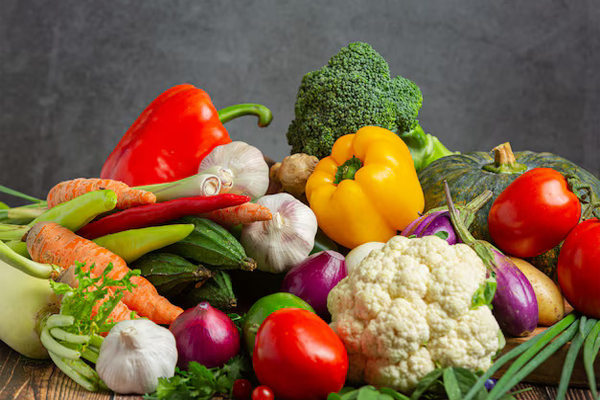
Fresh vegetables are an essential part of a healthy diet, providing the body with vital nutrients such as vitamins, minerals, fiber, and antioxidants. They help maintain overall health, boost the immune system, and reduce the risk of chronic diseases like heart disease, diabetes, and certain cancers. Fresh vegetables come in a wide variety of colors and types—such as leafy greens, root vegetables, legumes, and cruciferous vegetables—each offering unique nutritional benefits. Consuming them raw, steamed, or lightly cooked helps preserve their nutrients and natural flavors. Including a variety of fresh vegetables in daily meals not only enhances taste and texture but also supports better digestion, glowing skin, and improved energy levels. Choosing locally grown, seasonal vegetables ensures maximum freshness and nutritional value.

Exotic Vegetables

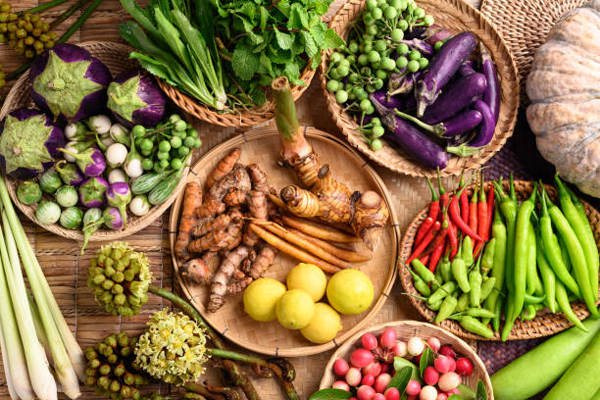
Exotic vegetables are unique and rare varieties that are not commonly found in everyday markets or traditional local cuisines. They often originate from different parts of the world and are prized for their unusual flavors, vibrant colors, and distinctive nutritional benefits. Examples include asparagus, broccoli, zucchini, red cabbage, baby corn, kale, bok choy, and bell peppers of various colors. Many exotic vegetables are rich in vitamins, minerals, and antioxidants that support overall health, boost immunity, and help prevent chronic diseases. They add diversity to meals, making dishes more appealing and nutritious. With globalization and increasing culinary interest, exotic vegetables are becoming more accessible and popular in restaurants and home kitchens. Including them in the diet not only enhances taste and presentation but also introduces new textures and health-promoting properties to everyday meals.

Onion

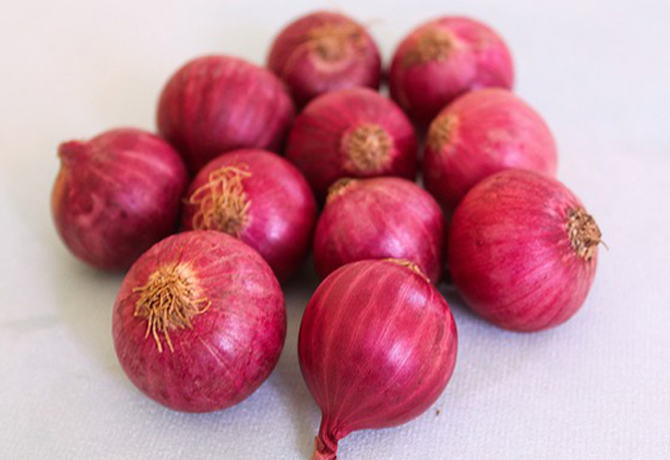
Onion is one of the most widely used and versatile vegetables in the world, valued for its distinctive flavor, aroma, and numerous health benefits. It belongs to the Allium family, which also includes garlic, leeks, and chives. Onions come in several varieties, such as red, white, and yellow, each offering a slightly different taste and use in cooking. They are rich in vitamins C and B6, folate, potassium, and powerful antioxidants like quercetin, which help boost immunity, reduce inflammation, and support heart health. Onions can be eaten raw, cooked, fried, or caramelized and are used as a base ingredient in countless dishes, from soups and curries to salads and sauces. Besides their culinary importance, onions also have antibacterial properties and have been used traditionally for medicinal purposes. Including onions in the diet adds flavor, nutrition, and several health-promoting benefits.

Green Chilli

Green chilli is a popular spice vegetable widely used in cooking to add heat, flavor, and aroma to various dishes. It belongs to the Capsicum family and is rich in vitamins A, C, and K, along with minerals like potassium and iron. Green chillies contain capsaicin, a natural compound responsible for their spiciness, which also offers several health benefits such as boosting metabolism, improving digestion, and promoting heart health. They are known for their antioxidant and anti-inflammatory properties, helping the body fight infections and free radicals. Green chillies are used fresh, chopped, or ground in curries, sauces, pickles, and salads to enhance taste and spice levels. Regular but moderate consumption of green chillies can improve appetite, strengthen immunity, and add a flavorful kick to everyday meals.

Send An Enquiry