Pomegranate (Punica granatum) is a fruit-bearing shrub or small tree belonging to the family Lythraceae. It is native to Iran and northern India but is now cultivated in many parts of the world, especially in tropical and subtropical regions. The pomegranate produces round fruits with a tough reddish skin and numerous juicy seeds, called arils, which are rich in antioxidants, vitamins (especially vitamin C), and minerals. The fruit has a sweet-tart flavor and is consumed fresh, as juice, or used in salads, desserts, and sauces. Pomegranate is also valued for its medicinal properties, as it is believed to support heart health, boost immunity, and have anti-inflammatory effects. The plant thrives in dry, hot climates and can tolerate drought conditions, making it suitable for arid regions. Major pomegranate-producing countries include India, Iran, China, the United States, and Turkey. Beyond its nutritional importance, the pomegranate holds cultural and symbolic significance, often representing fertility, prosperity, and longevity in various traditions and religions.
- info@skloverseas.com
- Call Us: +91 9762958712

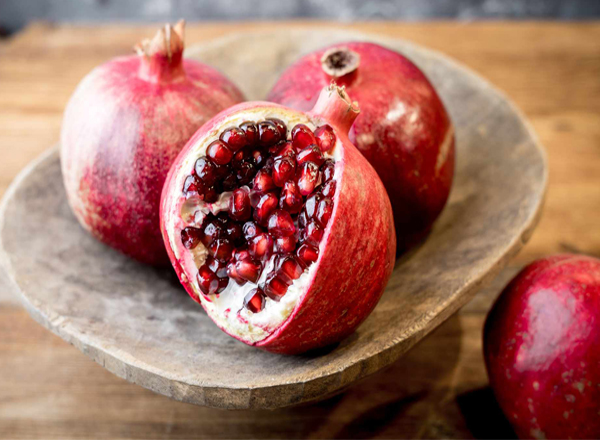
Pomegranate
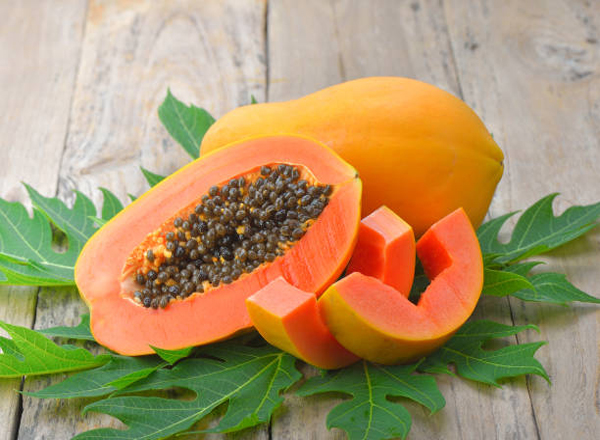
Papaya
Papaya (Carica papaya) is a tropical fruit plant belonging to the family Caricaceae. It is native to Central America and southern Mexico, but it is now widely cultivated in tropical and subtropical regions around the world. The papaya plant is a fast-growing, short-lived herbaceous tree that bears large, melon-like fruits. The fruit has smooth, thin skin that turns yellow or orange when ripe, with soft, sweet, and aromatic orange flesh filled with small black seeds. Papaya is rich in vitamins A and C, antioxidants, and the enzyme papain, which aids in digestion and is also used in meat tenderizing and medicine. It is consumed fresh, in fruit salads, juices, and desserts, and its unripe green fruit is often used in cooking. Papaya grows best in warm climates with well-drained soil and requires plenty of sunlight and water. Major papaya-producing countries include India, Indonesia, Brazil, Nigeria, and Mexico. Due to its high nutritional value and health benefits, papaya is often called the “fruit of angels.”